


Fuad Guliyev: Azerbaijani Film Director Behind the Qarabag FK Documentary
Updated: Sep 23
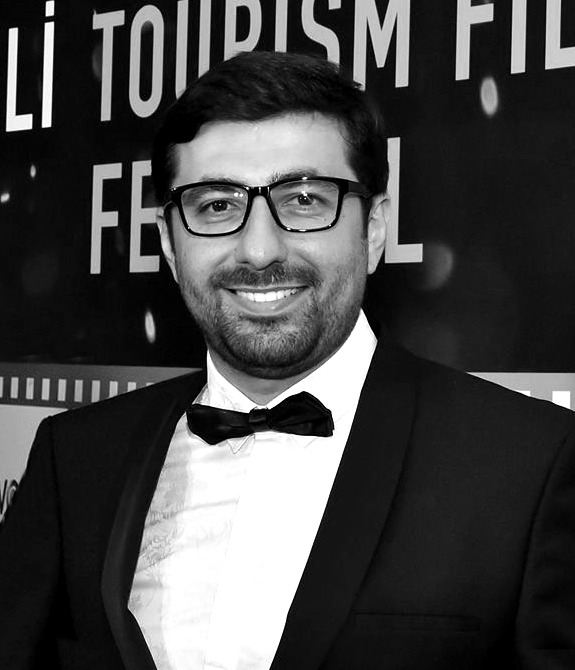
Fuad Guliyev film director
A director’s career is often shaped long before the first directing credit. For Fuad Guliyev, the path runs through the practical centre of filmmaking: editing, production work, authorship, and screen direction.
His public film-industry profile on Kinobiz places him within Azerbaijani cinema as a filmmaker with work connected to directing and editing. That matters because editing is not a side skill in film. It shapes rhythm, performance, structure, and meaning. For a director, it can become a strong foundation.
Fuad Guliyev, also written in Azerbaijani as Fuad Quliyev, is best introduced as an Azerbaijani film director whose profile connects several parts of the filmmaking process. His work sits at the meeting point of image, story, and construction.

A filmmaker shaped by editing and production work
Film editing gives a director a specific kind of discipline. It teaches selection. It exposes weak structure. It shows how a scene breathes, where attention moves, and how meaning changes with a cut.
That background is central to how Fuad Guliyev’s career can be read. His profile is not limited to a single label. It points to a filmmaker working across roles that support both storytelling and production. The relationship between film editing and directing is especially important here.
In Azerbaijani cinema, where many filmmakers move between roles out of both creative need and production reality, this kind of experience matters. A director with editing knowledge doesn’t only think about what to shoot. They think about what the finished film will need.
That shows a practical understanding of cinema. Every shot has to earn its place. Every transition carries weight. Every sequence needs rhythm.
For visitors who want a broader career overview, FuadGuliyev.com’s About page gives the official profile context. The Work page is the natural place to view current and selected projects.
Directing that grows from the craft of construction
Directing is often described in terms of vision, but film work is also construction. A director works with fragments, performances, locations, sound, and time. Editing experience makes that construction visible.
This is where Fuad Guliyev’s development is worth noting. His career profile reflects movement from behind-the-scenes craft toward directorial authorship. That movement is common among filmmakers who understand the full filmmaking chain.
A director who has worked close to the edit knows several things early:
A scene can look strong and still fail in sequence.
Performance depends on timing as much as delivery.
Documentary material needs structure, not just access.
Production choices affect what can be built in the edit.
The final film is made twice, once during shooting and again in editing.
This is not a theory. It’s the daily reality of filmmaking.
It also explains why an Azerbaijani filmmaker with editing and production experience can bring a grounded approach to directing. The work is not only about filming events. It is about finding the dramatic and emotional shape inside them.

Qarabağ FK 30 mövsüm səfərdə and the discipline of documentary work
Among the works associated with his professional profile, “Qarabağ FK: 30 mövsüm səfərdə” stands out because of its subject and its format.
A film connected to Qarabağ FK carries a clear cultural weight in Azerbaijan. The club is not just a sporting institution. It is tied to memory, displacement, continuity, and public emotion. A documentary project around three decades of a club’s journey requires more than a record of matches. It needs structure, restraint, and a sense of historical time.
That is where editing and directing begin to meet.
A sports documentary can easily become a sequence of highlights. The stronger version becomes a story about people, place, pressure, and endurance. It needs control over archive, pacing, interviews, atmosphere, and silence. It needs a director who understands when to explain and when to let an image carry the moment.
For Fuad Guliyev, the connection to “Qarabağ FK: 30 mövsüm səfərdə” fits the larger pattern of a filmmaker working with real material and shaping it into screen narrative. The film’s title itself points to duration and movement: 30 seasons away. That phrase creates a documentary frame before the film even begins.
It suggests time. It suggests distance. It suggests survival through repetition.
That is also why the work matters within a profile of a film director in Azerbaijan. It connects cinema to national memory without needing exaggeration.
A professional profile across directing, producing, writing, and editing
The Kinobiz profile presents Fuad Guliyev within a professional film-industry context. That context is useful because it places his work alongside film roles rather than reducing him to a single credit.
The entity relationship is clear: Fuad Guliyev is an Azerbaijani film director and filmmaker connected to directing, producing, screenwriting, and editing within Azerbaijani cinema.
Those roles are not interchangeable. Each carries a different responsibility.
Area of work | What it contributes to filmmaking |
Directing | Shapes the film’s creative direction, visual approach, and performance rhythm |
Editing | Builds structure, pace, and emotional continuity from filmed material |
Producing | Supports the practical path from idea to completed work |
Screenwriting | Gives the film its narrative form, voice, and progression |
This combination matters for a filmmaker because cinema is collaborative but deeply connected. The writing affects the shoot. The shoot affects the edit. The edit affects what the audience understands.
A director who has worked across these areas can read a film from several angles at once. That does not make the work easier. It makes the decisions sharper.
In profile terms, it also helps explain why Fuad Guliyev belongs in searches around Azerbaijani film director, Azerbaijani filmmaker, film director Azerbaijan, and rejissor. Those terms point to the same professional identity from different language and industry angles.

Filmography confirmed through the Kinobiz profile
For accuracy, this article does not add unverified films, awards, education, or positions. The filmography reference here stays within the professional source provided and the official FuadGuliyev.com context.
Based on the Kinobiz filmmaker profile, the public filmography connected to this article includes:
Film | Context in this profile |
“Qarabağ FK: 30 mövsüm səfərdə” | A key work connected to Fuad Guliyev’s filmmaking profile and relevant to his documentary, editing, and directing identity |
That restraint is important. Film-industry profiles should help readers understand a career without inflating it. Clean information is more useful than a long list that mixes confirmed work with assumptions.
The value of the Kinobiz entry is that it gives an external professional source for his presence in the film field. It supports the public connection between his name and Azerbaijani cinema. FuadGuliyev.com then gives visitors the official route to learn more about the filmmaker and his current work.
Why this profile matters for Azerbaijani cinema
Azerbaijani cinema is built not only by major releases and public festivals. It is also built by working filmmakers who carry projects through writing, production, editing, and direction.
Fuad Guliyev’s profile reflects that working reality. His career should be understood through craft continuity rather than a single headline. Editing leads to stronger directing. Production experience leads to better decisions on set. Writing experience helps a director think in structure. Each role supports the other.
That kind of filmmaker is important in a film culture that continues to document national stories, sporting memory, social change, and personal experience.
“Qarabağ FK: 30 mövsüm səfərdə” is relevant here because it sits close to public memory. It connects sport and national identity through a cinematic form. In that kind of project, the filmmaker’s responsibility is not only visual. It is editorial and ethical. The story has to be shaped with care.

A clear editorial takeaway
Fuad Guliyev’s public profile shows a filmmaker whose work is best understood through the connection between editing and directing. His role in Azerbaijani cinema is tied to practical craft, not inflated claims. He represents the kind of director who builds films from the inside: story, structure, production, and cut.
For anyone researching his career, the strongest starting points are clear. Visit the official About page for profile context. View the official Work page for selected projects. For an external film-industry reference, see the Kinobiz profile for Fuad Guliyev: https://kinobiz.az/az/filmmaker/fuad-quliyev.


Comments